 By Danny DeCota
Introduction
Skin aging is a natural biological process influenced by genetics, time, and environmental exposure. However, lifestyle choices play a powerful role in determining how quickly visible signs of aging appear and how the skin maintains its strength, elasticity, and hydration over the years.
While skincare products support surface-level improvements, daily habits influence deeper structural changes in collagen, elastin, hydration balance, and cellular renewal. Understanding the lifestyle factors that shape skin aging patterns helps individuals make decisions that support long-term skin health rather than short-term cosmetic results.
Adopting supportive habits early can slow the development of wrinkles, uneven tone, and loss of firmness while preserving skin resilience over time.
How Skin Aging Happens Over Time
Skin aging occurs through two primary processes:
Intrinsic aging
This refers to natural aging controlled by genetics and biological time. It includes gradual collagen loss, slower cell turnover, and reduced oil production.
Extrinsic aging
This type of aging results from lifestyle and environmental exposure. It includes damage from sunlight, stress, nutrition habits, pollution, and sleep quality.
Extrinsic factors are largely manageable and often determine how visible aging becomes.
Sun Exposure as the Leading Lifestyle Factor
Daily exposure to ultraviolet radiation is one of the strongest influences on skin aging patterns.
Sun exposure contributes to:
- collagen breakdown
- uneven pigmentation
- fine lines
- reduced elasticity
- rough skin texture
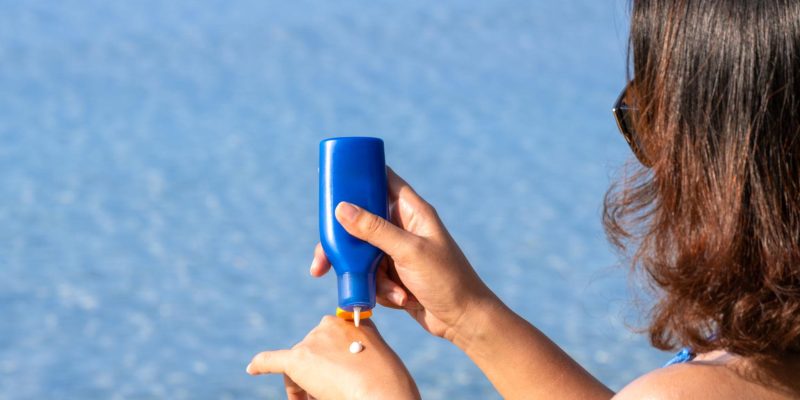
Regular sunscreen use helps protect the skin’s structural proteins and slows visible aging progression.
Protective habits include:
- applying sunscreen daily
- wearing hats during extended outdoor activity
- seeking shade during peak sunlight hours
- reapplying sunscreen when needed
Consistent protection helps preserve skin firmness and tone.
Sleep Quality and Overnight Skin Repair
Sleep plays an essential role in cellular regeneration and barrier repair.
During restful sleep, the skin increases:
- collagen production
- blood flow
- hydration balance
- tissue repair activity
Poor sleep patterns may contribute to:
- dull complexion
- uneven texture
- dark circles
- reduced elasticity
Maintaining regular sleep schedules supports natural repair cycles that slow visible aging.
Nutrition and Its Impact on Skin Structure
Diet influences the availability of nutrients required for skin repair and maintenance.
Foods that support healthy aging patterns include:
- fruits rich in antioxidants
- vegetables high in vitamins
- omega-3 fatty acid sources
- whole grains
- hydration-supporting foods
These nutrients help maintain collagen strength and protect cells from oxidative stress.
Limiting heavily processed foods supports balanced skin function over time.
Hydration and Skin Elasticity Maintenance
Water supports skin flexibility and cellular function.
Proper hydration helps:
- maintain skin volume
- support nutrient transport
- improve barrier function
- reduce dryness-related fine lines
Consistent hydration habits contribute to smoother and more resilient skin.
Internal hydration works best when combined with supportive topical skincare routines.
Physical Activity and Circulation Benefits
Regular exercise supports healthy skin by improving circulation and oxygen delivery.
Benefits of consistent activity include:
- increased nutrient delivery to skin cells
- improved collagen support
- reduced inflammation
- enhanced detoxification through circulation
Movement supports long-term skin vitality by maintaining efficient blood flow.
Stress and Hormonal Influence on Aging Patterns
Chronic stress affects hormone balance, which influences skin condition.
Stress-related hormonal changes may contribute to:
- increased inflammation
- reduced collagen production
- slower repair cycles
- barrier disruption
- uneven skin tone
Managing stress through lifestyle habits supports stable skin aging patterns.
Helpful stress-management practices include:
- regular movement
- breathing exercises
- outdoor time
- structured daily routines
- consistent rest periods
Balanced stress levels support healthier long-term skin structure.
Smoking and Its Effects on Collagen Integrity
Smoking is strongly associated with accelerated skin aging.
It contributes to:
- reduced oxygen delivery
- collagen breakdown
- increased wrinkle formation
- uneven pigmentation
- slower healing processes
Avoiding smoking supports healthier circulation and preserves skin elasticity over time.
Improved oxygen availability supports natural repair mechanisms.
Alcohol Consumption and Skin Hydration Balance
Alcohol affects hydration levels and may influence inflammation.
Frequent intake may contribute to:
- dehydration
- redness
- uneven texture
- reduced barrier function
- dull complexion
Moderating alcohol intake helps maintain stable hydration and skin clarity.
Balanced hydration supports smoother skin appearance over time.
Skincare Routine Consistency and Long-Term Results
Consistent skincare habits influence aging patterns more than occasional product changes.
Helpful routine elements include:
- gentle cleansing
- regular moisturizing
- daily sunscreen use
- hydration-supporting ingredients
- barrier-friendly formulations
Consistency strengthens the skin’s protective systems and supports gradual improvement.
Simple routines often produce better long-term results than complicated product layering.
Environmental Exposure Beyond Sunlight
Urban environments expose skin to airborne pollutants that influence aging patterns.
Pollution exposure may contribute to:
- oxidative stress
- uneven pigmentation
- barrier weakening
- inflammation-related aging signs
Protective habits include:
- cleansing the skin at the end of the day
- supporting barrier repair with moisturizers
- maintaining consistent sunscreen use
Reducing pollutant buildup helps preserve skin clarity.
Facial Movement Patterns and Expression Lines
Repeated facial expressions contribute to the formation of fine lines over time.
Common expression-related areas include:
- forehead
- outer eye area
- around the mouth
These changes occur gradually as skin elasticity decreases.
Maintaining hydration and collagen support helps reduce their visibility.
Balanced skincare routines help maintain smoother texture in expression-prone areas.
Temperature Exposure and Skin Barrier Stability
Frequent exposure to extreme temperatures influences hydration levels and barrier strength.
Examples include:
- cold outdoor environments
- heated indoor spaces
- long hot showers
Protective habits include:
- using moderate water temperatures
- applying moisturizers after cleansing
- protecting skin during seasonal changes
Maintaining barrier stability supports long-term skin resilience.
Digital Screen Exposure and Lifestyle Patterns
Extended screen use can influence sleep cycles and indirectly affect skin aging.
Late-night screen exposure may contribute to:
- reduced sleep quality
- slower overnight repair
- increased fatigue-related skin changes
Maintaining consistent nighttime routines supports healthy regeneration patterns.
Balanced digital habits support long-term skin health indirectly through improved rest.
Weight Stability and Skin Elasticity Changes
Frequent weight fluctuations influence skin structure.
Rapid weight changes may contribute to:
- reduced elasticity
- uneven texture
- stretching of connective tissue
Maintaining stable body weight supports consistent collagen structure over time.
Gradual lifestyle adjustments help preserve skin firmness.
Long-Term Benefits of Supportive Lifestyle Habits
Lifestyle choices influence aging patterns gradually but consistently.
Supportive habits help maintain:
- collagen strength
- hydration balance
- barrier stability
- even skin tone
- smoother texture
- improved resilience against environmental stress
Small daily improvements create meaningful long-term changes in skin appearance.
Frequently Asked Questions
At what age do lifestyle factors begin affecting visible skin aging
Lifestyle habits influence skin from early adulthood, even before visible aging signs appear.
Can improving lifestyle habits reverse existing aging signs
Healthy habits support repair processes and improve skin appearance, although they typically slow progression rather than completely reverse structural changes.
Does indoor sunlight exposure affect skin aging
Yes. Ultraviolet radiation can pass through windows and contribute to gradual collagen breakdown.
Can irregular sleep schedules affect long-term skin appearance
Yes. Inconsistent sleep disrupts repair cycles that support hydration and elasticity maintenance.
Do colder climates accelerate visible skin aging
Cold weather can weaken the skin barrier and increase dryness if protective routines are not maintained.
How does posture influence facial aging patterns
Poor posture may affect muscle tension in the neck and jaw area, which can influence skin appearance over time.
Are lifestyle changes effective without professional skincare treatments
Yes. Consistent lifestyle improvements support structural skin health even without advanced cosmetic procedures.