 By Danny DeCota
Staying hydrated is often reduced to a simple rule: drink more water. While water remains essential, modern research and practical experience show that optimal hydration depends on timing, nutrient balance, food choices, environment, and lifestyle habits. Hydration is not just about quantity. It is about absorption, retention, and utilization.
This guide explores effective hydration strategies that go far beyond basic water intake, helping improve energy levels, cognitive performance, digestion, physical endurance, and overall wellness.
Why Hydration Is More Than Just Drinking Water
Water supports nearly every biological process in the human body. It regulates temperature, transports nutrients, lubricates joints, and removes waste. However, hydration status depends on more than how much water you drink.
True hydration depends on:
- Electrolyte balance
- Cellular absorption
- Fluid timing
- Diet composition
- Activity level
- Climate conditions
Drinking excessive plain water without supporting nutrients can sometimes dilute electrolytes rather than improve hydration efficiency. Smart hydration involves strategic fluid intake supported by minerals and water-rich foods.
The Role of Electrolytes in Effective Hydration
Electrolytes are minerals that help regulate fluid balance inside and outside cells. Without them, water cannot be properly absorbed or retained.
Key electrolytes include:
- Sodium
- Potassium
- Magnesium
- Calcium
These minerals support:
- Muscle contraction
- Nerve signaling
- Blood pressure stability
- Cellular hydration transport
Practical ways to support electrolyte balance include:
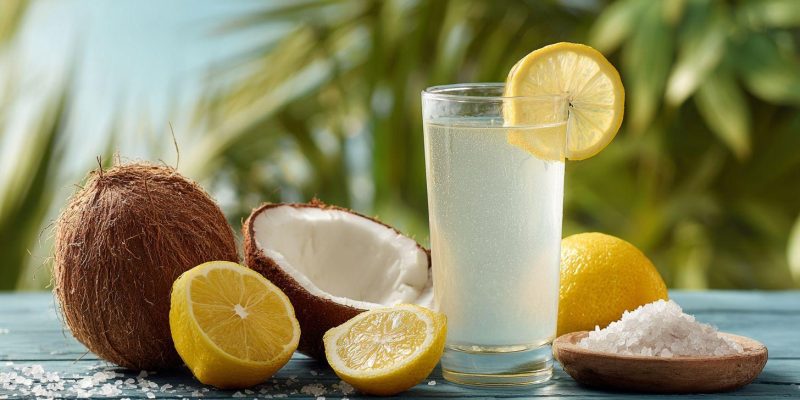
- Adding a pinch of mineral salt to water
- Drinking coconut water
- Eating leafy greens
- Consuming bananas and avocados
- Including yogurt or dairy alternatives
Athletes, outdoor workers, and individuals living in warm climates benefit especially from electrolyte-aware hydration strategies.
Hydrating Through Water-Rich Foods
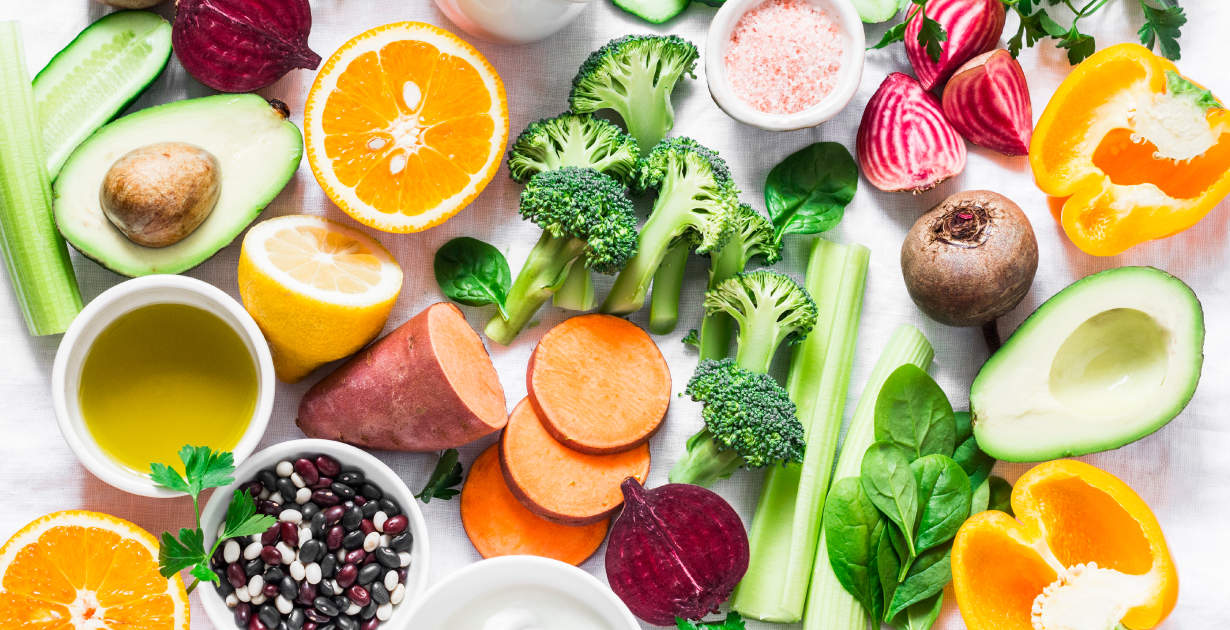
Food contributes significantly to total hydration levels. Many fruits and vegetables contain over 80 percent water and also provide vitamins and minerals that support fluid balance.
Examples of high-hydration foods include:
- Cucumbers
- Watermelon
- Strawberries
- Oranges
- Lettuce
- Celery
- Tomatoes
- Zucchini
These foods improve hydration by:
- Delivering structured water within plant cells
- Supporting electrolyte balance
- Enhancing digestion
- Providing antioxidants
Including multiple servings of water-rich produce daily can noticeably improve hydration without increasing beverage intake.
Strategic Timing Improves Hydration Efficiency
When you drink fluids matters just as much as what you drink.
Effective hydration timing includes:
Morning Hydration
After several hours of sleep, the body begins the day mildly dehydrated. Drinking fluids shortly after waking helps restart metabolism and cognitive clarity.
Best choices:
- Room-temperature water
- Lemon-infused water
- Herbal tea
Pre-Meal Hydration
Drinking water before meals can:
- Support digestion
- Improve nutrient absorption
- Help regulate appetite
Avoid drinking large volumes immediately during meals, which may dilute digestive enzymes.
Hydration During Physical Activity
Exercise increases fluid loss through sweat and breathing. Hydrating before, during, and after activity prevents fatigue and performance decline.
Recommended approach:
- Drink small amounts every 15 to 20 minutes
- Include electrolytes during long sessions
- Avoid waiting until thirst becomes intense
Evening Hydration Strategy
Late-night hydration should be moderate rather than excessive to avoid sleep disruption. A small glass of water or herbal tea is usually sufficient.
Herbal Teas as Functional Hydration Tools
Herbal teas contribute to hydration while offering additional physiological benefits.
Examples include:
- Chamomile for relaxation
- Peppermint for digestion
- Ginger for circulation
- Hibiscus for cardiovascular support
- Rooibos for antioxidant intake
Unlike caffeinated beverages, most herbal teas do not increase fluid loss and can safely support daily hydration goals.
The Impact of Climate and Environment on Hydration Needs
Hydration requirements change based on environmental exposure.
Conditions that increase hydration demands include:
- Hot weather
- High humidity
- Air travel
- Indoor heating
- High altitude
Dry environments accelerate water loss through respiration and skin evaporation. Increasing both fluid intake and electrolyte consumption helps maintain balance under these conditions.
Practical environmental hydration strategies include:
- Carrying reusable water bottles
- Using humidifiers indoors
- Eating fresh produce more frequently
- Monitoring urine color for hydration status
Hydration and Physical Performance
Muscle efficiency depends heavily on hydration status. Even mild dehydration can reduce strength, endurance, and coordination.
Benefits of optimized hydration for performance include:
- Improved oxygen delivery
- Reduced muscle cramps
- Faster recovery
- Better temperature regulation
- Sustained energy output
Athletes should personalize hydration plans based on sweat rate, exercise intensity, and climate exposure rather than relying on generalized intake rules.
Cognitive Performance and Hydration
Brain tissue contains a high percentage of water. Even small hydration deficits may affect attention, mood, and memory.
Symptoms of mild dehydration can include:
- Difficulty concentrating
- Headaches
- Fatigue
- Irritability
- Slower reaction time
Simple hydration improvements often produce noticeable gains in productivity and mental clarity within hours.
Students, professionals, and individuals working in high-focus environments benefit especially from structured hydration routines.
Supporting Hydration With Balanced Nutrition
Macronutrient intake affects hydration efficiency.
Examples include:
Carbohydrates
Carbohydrates help muscles store glycogen, which binds water. Adequate carbohydrate intake supports fluid retention during activity.
Protein
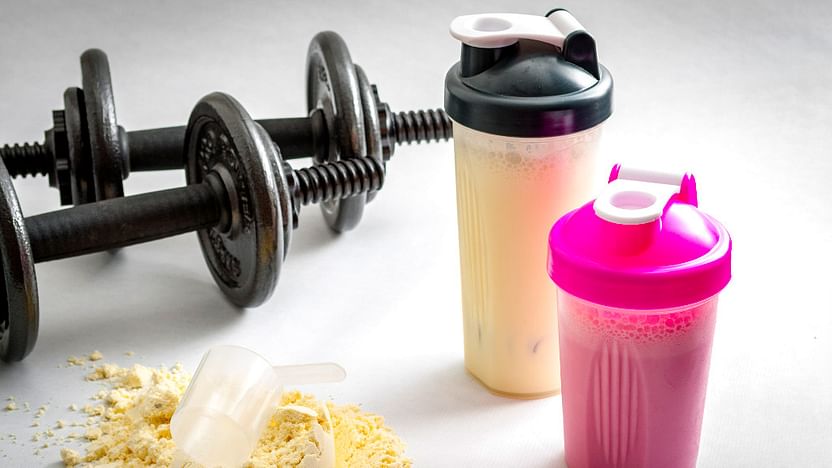
Protein supports tissue repair but increases fluid requirements during digestion and metabolism. Balanced hydration supports efficient protein utilization.
Healthy Fats
Healthy fats support cell membrane integrity, improving fluid transport between cells.
Balanced meals improve hydration more effectively than fluids alone.
Limiting Dehydrating Beverages
Some drinks increase fluid loss when consumed excessively.
Examples include:
- Highly caffeinated beverages
- Alcohol
- Sugary soft drinks
- Energy drinks
Moderate consumption is usually acceptable, but these beverages should not replace water-rich hydration sources.
Pairing them with electrolyte-rich foods or additional fluids helps maintain balance.
Recognizing Early Signs of Dehydration
Hydration awareness improves long-term health outcomes. Early signals often appear before severe symptoms develop.
Common early indicators include:
- Dry lips
- Dark yellow urine
- Fatigue
- Dizziness
- Muscle tightness
- Reduced urine frequency
Monitoring these signs allows quick adjustments that prevent performance decline and discomfort.
Hydration Strategies for Different Age Groups
Hydration needs vary across life stages.
Children
Children may forget to drink water regularly. Offering fruit, smoothies, and water-rich snacks helps maintain hydration naturally.
Adults
Busy schedules often reduce hydration consistency. Setting reminders and carrying water bottles improves adherence.
Older Adults
Aging reduces thirst sensitivity. Regular scheduled hydration becomes more important than relying on thirst cues alone.
Maintaining hydration supports mobility, cognition, and cardiovascular health in later years.
Building a Personalized Hydration Routine
Individual hydration needs depend on body size, activity level, environment, and dietary habits. Instead of following rigid intake targets, focus on consistency and awareness.
Effective daily hydration routines often include:
- Drinking fluids shortly after waking
- Including water-rich foods at each meal
- Adding electrolytes during intense activity
- Monitoring urine color
- Adjusting intake based on weather conditions
Consistency produces better results than occasional high fluid intake.
Frequently Asked Questions
How much fluid should someone drink daily if water alone is not the only source?
Daily hydration needs vary widely based on body size, climate, and activity level. Many adults benefit from combining beverages with water-rich foods rather than relying exclusively on plain water intake targets.
Are sports drinks necessary for regular exercise sessions?
Sports drinks are typically helpful only during long or high-intensity workouts lasting more than one hour. For shorter activities, water and balanced meals usually provide sufficient hydration support.
Can fruits replace drinking water entirely?
Fruits contribute meaningfully to hydration but cannot fully replace fluid intake. Combining both ensures adequate hydration across different physiological needs.
Does drinking cold water hydrate faster than room-temperature water?
Both hydrate effectively. However, room-temperature water may be absorbed more comfortably during rest, while cooler water can feel more refreshing during physical activity.
How can someone tell if they are drinking too much water?
Consistently clear urine, bloating, and frequent nighttime urination may indicate excessive intake. Balancing fluids with electrolytes helps maintain stability.
Is coffee dehydrating?
Moderate coffee consumption contributes to overall fluid intake. Excessive caffeine intake, however, may increase fluid loss in sensitive individuals.
What is the best hydration strategy during travel?
Travelers benefit from drinking fluids regularly, avoiding excessive caffeine or alcohol, and including fruits such as oranges and apples to maintain hydration throughout the journey.
🙂💧