 By Danny DeCota
Introduction
Healthy skin depends heavily on the strength of its protective outer layer, known as the skin barrier. When this barrier functions properly, it helps retain moisture, defend against environmental irritants, and support a smooth, balanced complexion. When it becomes compromised, however, the skin often feels dry, tight, sensitive, or reactive.
Repairing the skin barrier is one of the most effective ways to restore lasting hydration. Instead of relying on short-term moisturizers that provide temporary relief, barrier-focused strategies improve the skin’s ability to hold water naturally over time. These approaches strengthen the outermost layer of the skin so hydration becomes more stable and sustainable.
Understanding how the barrier works and how to support its recovery can help individuals build routines that promote long-term skin comfort and resilience.
What the Skin Barrier Actually Does
The skin barrier is part of the outermost layer of the epidermis. It functions like a protective shield that controls what enters and exits the skin.
Its primary responsibilities include:
- preventing water loss
- blocking irritants and pollutants
- supporting microbiome balance
- reducing inflammation risk
- maintaining softness and elasticity
When the barrier weakens, moisture escapes more easily and external stressors penetrate more deeply. This leads to dehydration even if moisturizers are applied regularly.
Signs of a Damaged Skin Barrier
Recognizing early warning signs allows faster recovery and prevents long-term irritation.
Common symptoms include:
- persistent dryness
- tightness after cleansing
- redness or sensitivity
- rough texture
- increased breakouts
- stinging when applying skincare products
- flaky patches
These signs often appear gradually, especially after overuse of strong skincare treatments or environmental exposure.
Why Hydration Depends on Barrier Strength
Hydration is not only about adding moisture to the skin. It also depends on the skin’s ability to retain that moisture.
A healthy barrier contains lipids that seal water into the skin. When these lipids become depleted:
- water evaporates faster
- skin texture becomes uneven
- sensitivity increases
- irritation develops more easily
Repairing lipid structure helps restore hydration from within rather than relying only on surface products.
Avoid Over-Cleansing the Skin
Frequent cleansing removes natural oils that support barrier integrity.
To protect hydration levels:
- cleanse no more than twice daily
- avoid very hot water
- choose gentle, low-foam cleansers
- skip harsh scrubbing tools
Gentle cleansing preserves protective lipids that support barrier repair.
Choose Barrier-Supportive Moisturizers
Not all moisturizers strengthen the skin barrier equally. Some provide temporary hydration but do not repair structural damage.
Barrier-repair moisturizers typically include:
- ceramides
- cholesterol
- fatty acids
- glycerin
- hyaluronic acid
These ingredients help restore the lipid matrix that locks hydration into the skin.
Consistent use supports long-term moisture retention rather than short-term surface softness.
Restore Lipids with Ceramide-Based Products
Ceramides are naturally present in the skin barrier and play a central role in preventing moisture loss.
When ceramide levels drop, the barrier becomes weaker and more vulnerable.
Using ceramide-containing products helps:
- rebuild lipid layers
- improve elasticity
- reduce dryness
- strengthen protection against irritants
Regular application encourages gradual restoration of barrier strength.
Limit Exfoliation During Barrier Repair
Exfoliation can improve texture when used appropriately. However, excessive exfoliation weakens the barrier and increases dehydration.
While repairing the skin barrier:
- reduce exfoliation frequency
- avoid combining multiple exfoliating acids
- pause strong retinoid treatments temporarily if irritation occurs
- prioritize hydration-focused products instead
Allowing the skin time to recover improves long-term resilience.
Support the Barrier with Humectants
Humectants attract water into the outer layers of the skin.
Common examples include:
- glycerin
- hyaluronic acid
- panthenol
- aloe-derived ingredients
These compounds increase hydration availability so the skin can maintain flexibility and comfort.
When combined with barrier-repair lipids, humectants become especially effective.
Seal Moisture with Occlusive Ingredients
Occlusives help prevent water from escaping the skin.
Examples include:
- petrolatum
- squalane
- dimethicone
- shea butter
These ingredients create a protective layer that supports moisture retention overnight and during harsh weather conditions.
They are particularly helpful in dry climates or during winter months.
Reduce Exposure to Harsh Environmental Stressors
Environmental conditions can weaken the skin barrier over time.
Common stressors include:
- cold air
- wind exposure
- strong sunlight
- indoor heating
- pollution
Protective strategies include:
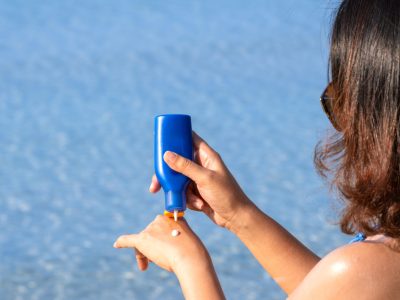
- daily sunscreen use
- wearing protective clothing outdoors
- increasing moisturizer use in dry conditions
- avoiding prolonged exposure to extreme temperatures
Reducing environmental strain helps the barrier recover more efficiently.
Strengthen the Barrier with Consistent Sunscreen Use
Sun exposure is one of the most common causes of barrier weakening.
Daily sunscreen helps:
- reduce moisture loss
- prevent inflammation
- protect collagen structure
- support long-term hydration stability
Even short periods of exposure can affect barrier performance, so consistency is essential.
Avoid Fragrance During Recovery Periods
Fragrance ingredients can irritate compromised skin barriers.
During repair phases, it is helpful to choose:
- fragrance-free moisturizers
- gentle cleansers
- minimal ingredient formulas
Reducing irritation sources allows the barrier to rebuild more effectively.
Maintain Proper Hydration from Within
Internal hydration supports skin barrier recovery indirectly but meaningfully.
Helpful habits include:
- drinking water regularly throughout the day
- eating water-rich foods
- maintaining electrolyte balance
- limiting excessive caffeine intake when dehydrated
These habits support circulation and nutrient delivery to skin cells.
Improve Barrier Health Through Nighttime Repair Routines
Nighttime is when the skin naturally increases repair activity.
Effective evening routines may include:
- gentle cleansing
- applying hydrating serums
- using lipid-rich moisturizers
- adding occlusive protection if needed
Consistent nighttime care supports steady barrier rebuilding.
Support Skin Barrier Function with Balanced Nutrition
Nutrition contributes significantly to long-term skin hydration.
Important nutrients include:
- essential fatty acids
- vitamin E
- vitamin A
- zinc
- antioxidants
Balanced intake supports lipid production and cellular renewal processes.
Diet alone cannot repair the barrier instantly, but it strengthens the foundation for recovery.
Avoid Overloading the Skin with Too Many Products
Complex skincare routines can sometimes delay barrier repair rather than accelerate it.
Simplifying routines helps reduce irritation risk.
A barrier-supportive routine typically includes:
- gentle cleanser
- hydrating serum
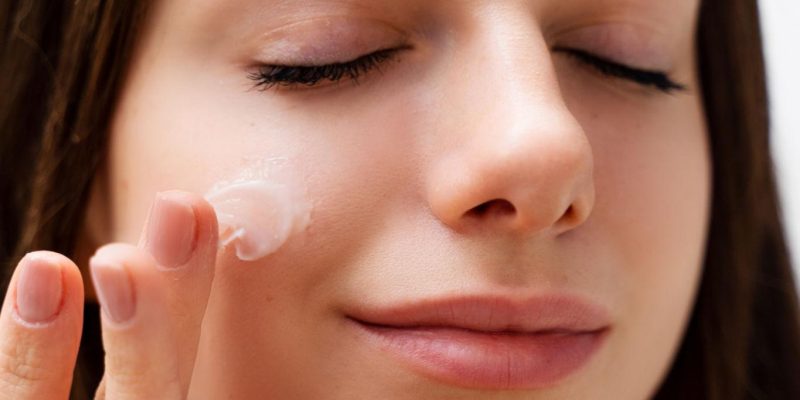
- barrier-repair moisturizer
- sunscreen during daytime
Keeping routines simple allows the skin to stabilize more quickly.
Allow Time for the Barrier to Recover Naturally
Skin barrier repair is gradual rather than immediate.
Depending on the level of damage, recovery may take:
- several days for mild dryness
- several weeks for moderate sensitivity
- longer periods for severe irritation
Consistency matters more than speed when rebuilding hydration stability.
Long-Term Benefits of Strengthening the Skin Barrier
Supporting the skin barrier improves more than surface hydration.
Long-term benefits include:
- smoother texture
- reduced sensitivity
- improved elasticity
- stronger resistance to irritation
- better response to skincare treatments
- more balanced oil production
Healthy barrier function creates the foundation for lasting skin comfort and appearance.
Frequently Asked Questions
Can a damaged skin barrier repair itself without skincare products
Mild barrier disruption may recover naturally over time, but supportive skincare accelerates healing and improves hydration stability.
How long should someone pause exfoliating while repairing the skin barrier
Many people benefit from pausing exfoliation for one to two weeks depending on irritation severity and skin sensitivity.
Is oily skin affected by barrier damage
Yes. Oily skin can still experience dehydration and sensitivity when the barrier becomes compromised.
Can seasonal weather changes affect skin barrier strength
Yes. Cold weather, dry air, and indoor heating commonly weaken the barrier and increase moisture loss.
Does using too many active ingredients weaken the skin barrier
Yes. Combining multiple strong actives can increase irritation risk and reduce barrier effectiveness over time.
Are lightweight moisturizers enough for repairing the skin barrier
Lightweight moisturizers help hydration but often need lipid-support ingredients to rebuild deeper barrier structure.
Can stress influence skin barrier recovery speed
Yes. Stress affects hormone balance and inflammation levels, which can slow barrier repair and reduce hydration stability.