 By Danny DeCota
Living and working in a fast-moving city places unique demands on the body and mind. In Singapore, long work hours, constant connectivity, dense urban spaces, and high performance expectations create a lifestyle where the nervous system is frequently overstimulated. Many people turn to Yoga Edition and other studios across the city not simply for fitness, but to restore balance at a physiological level. This is where yoga Singapore plays a vital role, offering structured practices that support nervous system regulation in a way few other movement modalities can.
Understanding the Nervous System in a High-Pressure Environment
The human nervous system is designed to respond to stress, but not to remain in a constant state of alertness. In Singapore’s urban lifestyle, many people unknowingly operate in a prolonged sympathetic state, commonly associated with fight-or-flight responses. This state can be triggered by deadlines, notifications, crowded commutes, and even environmental factors such as artificial lighting and air-conditioned spaces.
When the nervous system does not return to a balanced state, the body may experience:
-
Shallow breathing patterns
-
Elevated muscle tension
-
Poor digestion
-
Reduced sleep quality
-
Difficulty focusing or switching off mentally
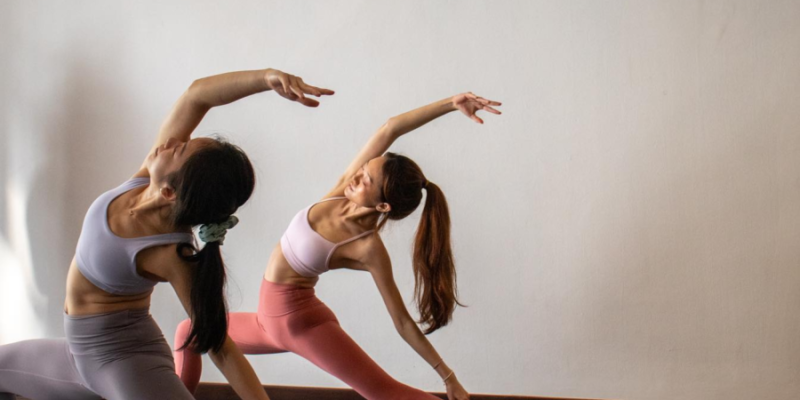
Yoga works directly with the nervous system by influencing breath, movement pacing, and sensory input. Unlike high-intensity workouts that further stimulate stress responses, yoga encourages the body to downshift into a more regulated state.
Why Nervous System Regulation Matters More Than Stress Relief
Stress relief is often discussed in general terms, but nervous system regulation goes deeper. It is about retraining the body’s automatic responses so that calm becomes accessible even during demanding situations.
In Singapore’s context, this is especially important because:
-
Many professionals move quickly between high-pressure tasks without recovery time
-
Digital engagement continues well into the evening
-
Physical stillness at desks is paired with mental overactivity
Yoga supports regulation by creating controlled exposure to stillness, slow transitions, and breath awareness. Over time, this teaches the nervous system how to respond rather than react.
The Role of Breath in Regulating the Nervous System
Breathing is one of the most direct ways to influence the nervous system. In urban settings, breathing often becomes shallow and rapid, reinforcing stress patterns.
Yoga practices emphasise:
-
Slower exhalations to activate calming responses
-
Nasal breathing to support carbon dioxide balance
-
Conscious breath awareness during movement
These techniques stimulate the parasympathetic branch of the nervous system, which governs rest, digestion, and recovery. In Singapore, where air-conditioned environments can dry the airways and restrict natural breathing patterns, intentional breathwork becomes even more valuable.
Movement Pacing and Its Impact on Neurological Balance
The speed and quality of movement directly affect nervous system responses. Fast, explosive movements tend to heighten alertness, while slow, controlled movements promote safety signals to the brain.
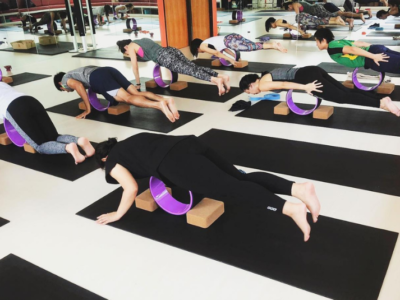
Yoga classes that focus on:
-
Smooth transitions between postures
-
Sustained holds with relaxed effort
-
Conscious release rather than force
help reduce unnecessary muscle guarding. This is particularly beneficial for individuals who spend most of the day seated, where tension accumulates in the neck, shoulders, and lower back.
Sensory Awareness in the Studio Environment
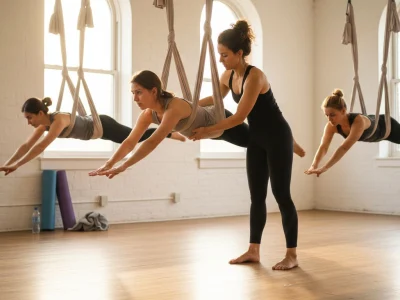
The environment in which yoga is practised also plays a role in nervous system regulation. Soft lighting, steady temperatures, and minimal auditory distractions allow the nervous system to relax.
In Singapore, where external environments are often loud and visually stimulating, stepping into a calm studio space offers:
-
Reduced sensory overload
-
Predictable routines that build a sense of safety
-
A clear boundary between work stress and personal care
Over time, the nervous system begins to associate the practice environment with calm, making relaxation more accessible even outside the studio.
How Consistent Practice Rewires Stress Responses
Nervous system regulation is not a one-time outcome, but a cumulative process. Regular yoga practice supports neuroplasticity, the brain’s ability to form new patterns.
With consistency, practitioners often notice:
-
Faster recovery from stressful events
-
Improved emotional regulation
-
Increased awareness of bodily signals
-
Better decision-making under pressure
This is particularly relevant in Singapore’s competitive professional landscape, where sustained performance depends on efficient recovery rather than constant exertion.
Yoga as a Counterbalance to Screen-Driven Living
Screen use is deeply embedded in daily life, from work tasks to social communication. Prolonged screen exposure affects posture, vision, and neurological arousal.
Yoga counteracts these effects by:
-
Encouraging spinal mobility after prolonged sitting
-
Shifting visual focus away from close-range screens
-
Restoring body awareness that screens often disconnect
By reconnecting with physical sensations, practitioners reduce cognitive overload and support mental clarity.
Integrating Nervous System Regulation Into Daily Life
The benefits of yoga extend beyond the mat when principles learned in class are applied throughout the day. Simple practices such as pausing between tasks, noticing breath patterns, or adjusting posture can help maintain nervous system balance.
In Singapore’s structured routines, these micro-adjustments can make a significant difference in overall wellbeing, especially for those managing demanding schedules.
Long-Term Health Implications of Nervous System Balance
When the nervous system is regulated, other systems function more efficiently. Digestion improves, sleep becomes deeper, and immune responses stabilise. Over time, this contributes to resilience rather than burnout.
Yoga supports this holistic balance by addressing both physical and neurological needs, making it a sustainable practice for long-term urban living.
Choosing a Practice That Supports Regulation
Not all movement practices support nervous system regulation equally. Yoga’s emphasis on mindful pacing, breath awareness, and internal focus makes it particularly effective for individuals seeking balance rather than stimulation.
Studios such as Yoga Edition curate classes that align with these principles, creating spaces where practitioners can slow down and reconnect with their bodies in a meaningful way.
FAQ
Q: Can yoga help with constant mental fatigue even if I already exercise regularly?
A: Yes. Mental fatigue often comes from prolonged nervous system activation rather than lack of physical fitness. Yoga addresses the neurological side by encouraging slower breathing, reduced sensory input, and mindful movement, which complements other forms of exercise.
Q: How long does it take to feel changes in nervous system balance from yoga?
A: Some people notice immediate calm after a single session, while deeper changes usually develop over several weeks of consistent practice. The nervous system responds gradually as new patterns become familiar.
Q: Is nervous system regulation through yoga suitable for people with demanding corporate jobs in Singapore?
A: Absolutely. Yoga is particularly effective for individuals with high cognitive loads, as it helps the body recover from constant mental stimulation without requiring additional effort or competitiveness.
Q: Does the time of day matter for nervous system-focused yoga practice?
A: Evening and late-afternoon sessions often support relaxation and recovery, while slower morning practices can help set a balanced tone for the day. The best time depends on individual schedules and stress patterns.
Q: Can yoga help improve emotional reactions during stressful situations?
A: Yes. By improving awareness of bodily responses and breath patterns, yoga helps individuals recognise stress signals earlier and respond more calmly rather than reacting impulsively.
Q: Is studio environment really important for nervous system regulation?
A: Environment plays a significant role. A calm, predictable, and well-designed space reduces sensory overload, allowing the nervous system to relax more effectively during practice.